
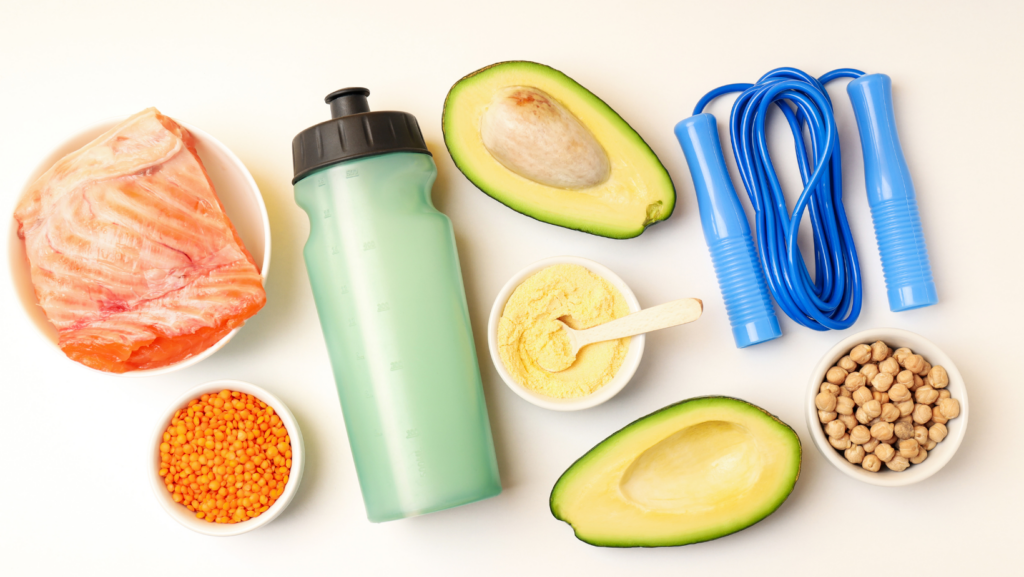
When it comes to hitting peak performance in sports, we all know that it’s not just about smashing weights or perfecting that game-winning shot. Nope. The secret sauce lies in something far more delicious, nutrition. That’s right. Ultimate sports nutrition is the unsung hero, keeping us energized and ready to crush our goals. So, let’s jump into the world of performance-fueling foods and discover how we can elevate our game while having a blast doing it.
Understanding Sports Nutrition
At its core, sports nutrition is all about fueling our bodies to perform at their best. Think of it as the ultimate playbook for our physical activities. We need to understand that food isn’t just fuel, it’s a strategic resource that influences our energy levels, recovery time, and overall performance. Every athlete, regardless of skill level, can benefit from knowing how to balance their diet with the right nutrients to support training and competition. Imagine giving your body a premium engine rather than just the standard one. Trust us: it’s a game changer.
Key Nutrients for Athletes
Let’s break it down into main players, macronutrients and micronutrients. Carbohydrates, proteins, and fats are our big three macronutrients. Carbs are like rocket fuel, providing quick energy for our workouts and competitions. Proteins? They’re the building blocks for muscle repair and growth, essential after those intense training sessions. And let’s not forget fats, which supply a slow-release energy option, perfect for endurance activities.
Now, micronutrients might sound less glamorous, but they’re vital too. Vitamins and minerals play key roles in energy production and muscle contraction. Iron, calcium, and magnesium are just a few examples that we can’t overlook. A well-rounded diet ensures we get the necessary nutrients to power through our sessions and recover swiftly.
Hydration Strategies for Optimal Performance
Hydration is often the MVP of sports nutrition. We can’t expect to perform well if we’re running on empty, or worse, running on dehydrated fumes. Water is crucial for regulating body temperature, lubricating joints, and transporting nutrients.
So, what’s the magic number? The general rule is to drink half your body weight in ounces of water each day, but that’s just a baseline. During intense workouts or games, we should be sipping electrolyte drinks to replenish lost salts. Let’s be real: there’s no shame in chugging that sports drink after a tough session. Keeping tabs on our hydration levels can be the difference between a sluggish performance and feeling like a superhero.
Timing Your Nutrition
Eating isn’t just a foray into culinary delights: it matters when we eat, too. Timing our nutrition can optimize our performance. We want to fuel our bodies well before we hit the gym or field. A meal rich in carbs and proteins a couple of hours prior can set us up for success. Post-workout? That’s when we need those recovery nutrients. A combination of protein and carbohydrates within 30 minutes can fast-track our recovery process. Think of it as giving our muscles a high-five right when they need it. Planning our meals and snacks can ensure we’re well-fueled and ready to tackle whatever comes our way.
Common Nutrition Mistakes to Avoid
Even the best of us can slip up. Some common nutrition pitfalls include overly restrictive dieting, relying too much on pre-packaged sports food, and forgetting to listen to our bodies’ signals. Cutting out entire food groups can lead to nutrient deficiencies, which we definitely want to avoid.
Snacking too much on quick fixes like energy bars might seem convenient, but they can also be loaded with sugars and additives. And let’s not ignore the importance of tuning into our hunger cues. Eating when we’re genuinely hungry rather than on a strict schedule or just because it’s ‘time’ to eat can help us stay energized and satisfied. Let’s promise to treat ourselves with the respect our bodies deserve.
Customized Nutrition Plans
One-size-fits-all solutions? No, thank you. We’re all unique athletes with different needs. That’s why we should consider creating customized nutrition plans tailored specifically to our activities and goals. Factors such as age, gender, body composition, and physical demands play significant roles.
Working with a sports nutritionist can help us craft a personalized plan that fits our lifestyle and performance aspirations. This could mean tweaking our macronutrient ratios, choosing specific foods that boost our energy levels, or even accounting for food intolerances. Let’s embark on a nutrition journey that’s designed just for us.