Back in the early 2000s, most of us played games offline. No shops. No real purchases. Just discs and consoles. But things have changed. Today, buying inside a game is as normal as buying lunch. And whether you are spending on skins, season passes, or loot boxes, gaming has trained an entire generation to spend online without blinking.
So how did we get here? And how has gaming influenced the way we treat digital money today?
In-Game Spending Changed Everything
Gaming was one of the first industries to normalise microtransactions, and we never looked back.
Most people remember their first in-game purchase. It might have been a gun skin in CS:GO, a Fortnite dance, or an XP booster in a mobile RPG. It felt small. But that tiny transaction opened the door to a whole new payment habit.
What gaming did right was wrap purchases in emotion. It was not just “pay $5.” It was “level up now” or “stand out in your squad.” That made clicking “buy” feel exciting, not financial.
And now, that thinking has spread everywhere.
From food delivery to streaming services, businesses learned that customers are more likely to spend when they feel something, status, speed, or comfort. In many ways, gaming paved the way.
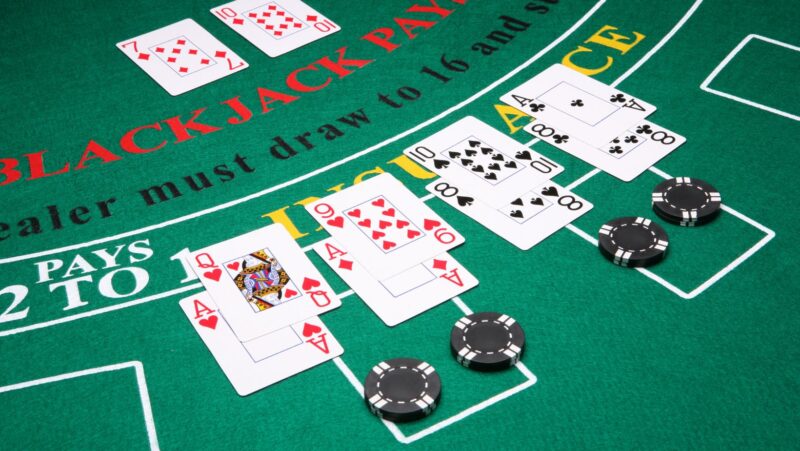
Even in gambling, we now see that same emotional pull. Some platforms mix arcade visuals with casino mechanics. Others use mission-style progression. And like gaming, they often start small, with low deposits, fast feedback, and flashy rewards.
That is one reason so many Aussies today prefer sites that offer flexible options. We found this list where players can play at $20 deposit online casinos in Australia, and the appeal is clear. It is low-risk, fast, and instantly familiar to anyone used to topping up in a mobile game.
Online Payments Became a Game of Speed
Gamers do not wait. And thanks to them, we expect speed in everything else now too.
Remember when downloading a patch meant going outside for an hour? Not anymore. Gamers expect everything now, fast matchmaking, fast loading, fast purchases. And this demand for speed has crept into every corner of online life.
We tap to pay. We skip queues. We want instant results.
That same mindset drives payment innovation. The rise of PayID, digital wallets, and crypto adoption in Australia is partly a reflection of this. And again, games led the charge.
Whether you are funding a Steam Wallet, buying Robux, or topping up an eSports betting account, there is no patience for delay. And businesses know it.
Even new Aussie gambling sites are built for this pace. Fast withdrawals, instant KYC, Apple Pay support, these are not bonuses anymore. They are expectations.
Loyalty Programs Took Notes from Battle Passes
The gaming world made rewards feel earned, not just given, and that changed how loyalty looks online.
Games made us chase goals. Battle passes, daily missions, and rank resets. These structures kept us engaged by giving a clear sense of progress. And that same structure now powers loyalty programs in other industries.
Look at how casinos, shopping apps, and even airlines frame their perks. It is no longer just “here is your discount.” It is “reach level 3 to unlock 10% cashback.”
That type of gamification keeps users spending, not because they must, but because they want to see what comes next. Again, this is pure gaming psychology applied to everyday life.
And the most successful sites, whether they are gambling platforms or streaming bundles, lean into this. They use levels, milestones, and streaks to keep us clicking.
Risk and Reward Got Repackaged
Loot boxes, gacha mechanics, and surprise crates reshaped how we see digital chance, and not always for the better.
There is a real debate around how modern gaming blurred the lines between entertainment and gambling. In titles like FIFA, Overwatch, and countless mobile games, spending money does not guarantee a reward. It gives you a chance at one.
That risk-reward structure mirrors gambling almost exactly. And it has taught millions of young users to associate digital spending with suspense and surprise.
For better or worse, it has reshaped how people understand value. Some spend $10 chasing one item. Others get it for free. The dopamine hit comes not just from winning, but from rolling the dice.
This mechanic is now baked into many platforms, even outside of gaming. Casino apps use spins, bonus wheels, and mystery boxes. Shopping apps offer randomised cashback. Even dating apps use swipe-based unpredictability.
Gaming gave us the template. Now everyone is using it.
Privacy Became a Priority for Gamers First
Before mainstream platforms cared about user data, gamers were already using VPNs and alternative payment methods.
Gamers have always looked for an edge. Lower ping. Region-locked content. Server access. And for years, VPNs have been a tool in that toolkit. But this early use of VPNs also normalised the idea of privacy-first access, something that is now spreading.
Today, more Australians use VPNs to access sites outside their region, pay with crypto, or avoid location-based restrictions. And some of this adoption comes from gaming roots.
That is especially true in areas like offshore gambling, where regional blocks still exist. Players who grew up accessing Japanese games or US-only betas via VPNs now use the same tech to unlock platforms their country blocks by default.
It is not about breaking rules. It is about digital freedom. And gamers were ahead of that curve.
The Rise of Crossover Spending
Where does gaming stop and other online spending begin? That line is getting blurry.
In 2025, most of us no longer separate “gaming money” from regular online spending. Why would we? The payment methods are the same. The interfaces look the same. The dopamine hits feel the same.
Look at what streamers are doing. Many combine gaming, gambling, shopping, and crypto in one broadcast. Their audiences get used to the idea that money flows freely across categories and that entertainment is tied to spending.
Where We Go Next
Gaming will keep shaping online spending, but now the influence goes both ways.
As more industries learn from gaming, the game world is also adapting. We see casino-style mechanics in AAA games. We see NFT drops inside mobile apps. We see entire games built around spending strategies, not just skill.
That might worry some. But it is also part of the evolution.
The key for users is to stay aware. Know when you are being nudged. Know when your spending is emotional, not logical. And choose platforms that treat your time and money with respect.
Whether you are topping up in an RPG or exploring a new betting site, the same rules apply. Go slow. Read the terms. Spend with purpose.
Because in the end, online spending is no longer just a transaction. It is an experience. And gaming taught us that.