
Gaming has become more accessible than ever. Whether you're playing a competitive multiplayer title, exploring a virtual world, or accessing casino-style games through a mobile device, entertainment is now available almost anywhere with an internet connection.
For many players, convenience is a major attraction. There's no need to travel, organize an evening out, or even leave the couch.
Yet physical gaming destinations continue to offer something that digital platforms cannot fully reproduce: the experience of being somewhere.
From the atmosphere of a casino floor to the restaurants, entertainment, and social interactions surrounding it, visiting a physical gaming venue is about more than the games themselves.
So what separates an in-person casino experience from its digital alternatives, and why does that distinction still matter?
The Difference Between Playing a Game and Visiting a Destination
One of the biggest advantages of online gaming is simplicity.
Players can access their preferred platforms from a computer or mobile device, often within seconds. Digital games can also offer features that would be difficult to recreate physically, including elaborate graphics, customizable interfaces, and online multiplayer communities.
Physical casinos serve a somewhat different purpose.
Instead of focusing exclusively on gameplay, they bring multiple forms of entertainment together in one location.
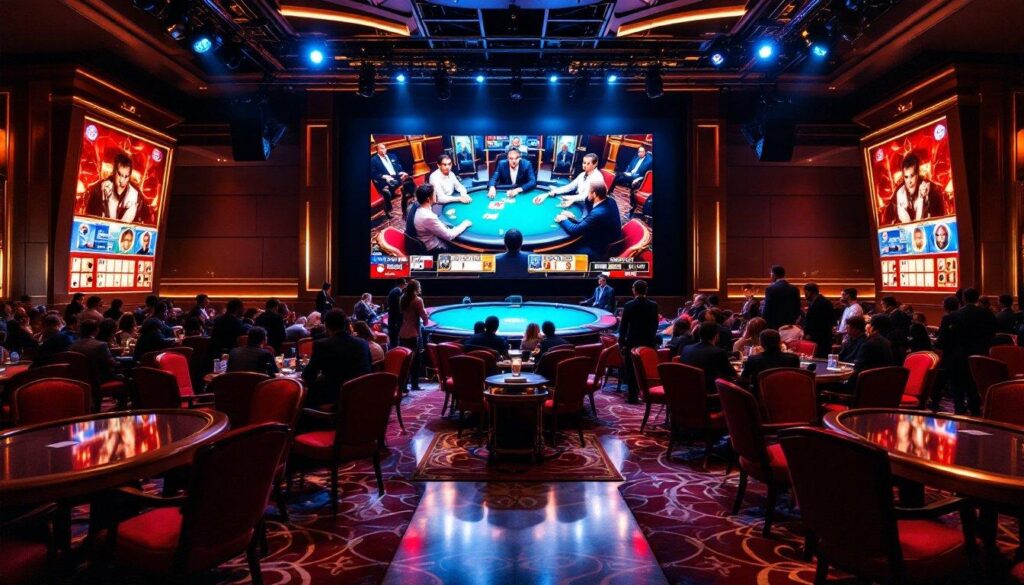
The experience begins before anyone sits down at a table or approaches a slot machine. Lighting, music, interior design, and the activity of other guests all contribute to the atmosphere.
For someone planning an evening out, these surroundings may be as important as the games themselves.
This doesn't necessarily make physical gaming better than digital gaming. Rather, it highlights how the two experiences satisfy different preferences.
Social Interaction Changes the Experience
Online games have become increasingly social.
Voice chat, live streaming, multiplayer competitions, and online communities allow people to connect with others across the world. For many players, these digital relationships are an important part of gaming culture.
Still, interacting with people face-to-face creates a different kind of experience.
At a physical casino, visitors might share a table with friends, watch a live game unfold, or take a break to discuss the evening over dinner.
There are also spontaneous interactions that aren't easily replicated through a screen, such as conversations with fellow guests or the shared atmosphere surrounding a live entertainment event.
For some people, that social element is the main reason to visit.
They aren't necessarily looking for a particular game. They're looking for an enjoyable evening that combines gaming with other activities.
Atmosphere Is Part of the Entertainment
Video game developers spend considerable time creating immersive environments.
Sound effects, animation, lighting, and detailed virtual worlds help establish a game's identity and keep players engaged.
Physical gaming venues use some of these same design principles, although the results are experienced differently.
On a casino floor, visitors encounter real-world lighting, ambient sound, physical gaming equipment, and the movement of people throughout the venue.
The environment can be designed to feel lively, comfortable, or sophisticated depending on the type of experience a property wants to provide.
Modern casinos also offer a range of electronic gaming machines, combining digital interfaces with physical surroundings.
It's an interesting example of how technology and traditional entertainment spaces can complement one another rather than compete.
Today's Casino Resorts Offer More Than Gaming
Another distinction between online gaming platforms and physical destinations is the variety of activities available beyond gameplay.
Many modern casino resorts have evolved into broader hospitality and entertainment properties.
Visitors may be able to book an overnight stay, enjoy a restaurant, attend a concert, or arrange a spa treatment without leaving the destination.
For example, Viejas Casino & Resort in Alpine, California, combines casino gaming with hotel accommodations, restaurants, entertainment venues, and spa facilities.
Guests can enjoy slot machines and table games while also having access to other resort amenities, making the property suitable for a wider range of adult entertainment preferences.
This approach allows visitors to plan an entire evening or weekend around a destination rather than a single activity.
Someone may visit primarily for a special dinner or overnight getaway, while another guest might be more interested in the gaming floor.
That flexibility is something a standalone digital gaming platform cannot offer in quite the same way.
Digital Gaming Still Has Clear Advantages
Of course, physical destinations have their limitations.
Traveling to a casino requires time, transportation, and potentially additional spending on meals or accommodations. Visitors also need to consider opening hours, entry requirements, and local regulations.
Digital gaming generally avoids many of those logistical concerns.
Online video games can be enjoyed at home, and multiplayer platforms make it possible to connect with friends who live in different cities or countries.
Where legally available, online casino platforms offer another form of remote entertainment, although licensing requirements, consumer protections, and game availability vary by jurisdiction.
Neither option is universally preferable.
Someone looking for a quick gaming session may value the convenience of playing at home, while someone planning a special evening might prefer the atmosphere of a physical venue.
The important distinction is understanding what kind of experience you're seeking.
Real-Money Gaming Requires a Different Approach
It's also important to distinguish ordinary video games from casino gambling.
Although both can feature interactive interfaces and unpredictable outcomes, casino games involving real-money wagers carry financial risks that most conventional video games do not.
Players should never assume that visiting a physical casino provides better winning odds than playing online, or that either format offers a reliable way to earn money.
Casino games generally include a mathematical house advantage, and outcomes are uncertain.
Anyone choosing to participate should establish a spending limit beforehand, use only money set aside for entertainment, and avoid attempting to recover losses through additional wagers.
Taking advantage of a casino resort's dining, accommodation, and entertainment options can also make it possible to enjoy the destination without making gambling the focus of the visit.
For adult guests, the goal should be an enjoyable experience within comfortable personal limits.
The Future of Gaming Doesn't Have to Be Entirely Digital
Digital technology will undoubtedly continue shaping the gaming industry.
Improved graphics, more sophisticated multiplayer features, virtual reality, and increasingly accessible mobile platforms will create new ways for players to enjoy interactive entertainment.
But that doesn't mean physical gaming destinations will disappear.
Just as streaming services haven't eliminated movie theaters or live concerts, convenient digital experiences don't necessarily replace the appeal of visiting a real-world venue.
They simply offer a different way to enjoy entertainment.
For physical casino resorts, the opportunity lies in providing experiences that extend beyond individual games, combining hospitality, social interaction, entertainment, and technology into something worth leaving home for.
In a world where nearly everything is available through a screen, the experience of actually going somewhere still has value.