
It is 2:37 a.m., the boss is at three percent, and the room feels like a
cockpit. Monitors glow, fans hum, keypresses come in bursts. Someone in voice
chat is half asleep. Another is fully tilted. The pull ends, successful or not,
and only then does the player really see it the smears on the mouse pad, the
spaghetti of cables, the half-finished drink by the keyboard.
Five hours at the desk
Long raid nights quietly reshape a setup. Not in big, dramatic ways, but in
dozens of tiny shifts that add up. After enough back to back sessions, a battle
station can feel slower, less comfortable, and harder to keep in sync. A lot of
it comes down to four things players usually underestimate.
1. Micro clutter on the mouse zone. Dust, crumbs, and tiny spills build friction
on the mouse pad. Over a five hour raid, that slightly heavier swipe can throw
off precise tracking. Wiping the pad between phases, not just between nights,
keeps aim consistent and movement predictable.
2. Cable drift. During frantic pulls, keyboard, mouse, and headset cables get
tugged into new routes. They catch on desk edges, chair arms, or monitor stands.
Over time, this quietly adds a feeling of input lag as the player fights cable
drag instead of the boss. Simple clips under the desk and a single “cable lane”
across the surface make a huge difference.
3. Chair and monitor creep. Players lean forward in tense moments, push the
chair back to stretch, twist sideways to grab water. Slowly, monitor distance
and chair height change. By hour five, crosshair placement and eye strain feel
off. Marking chair height and monitor stand spots with tiny stickers gives a
reliable reset between raids.
4. Peripheral fatigue. Keycaps get glossy, mouse feet wear, headset clamps
harder than it used to. None of this shows up in one session, but marathon
nights accelerate the process. Rotating a secondary mouse or swapping ear pads
between weeks spreads the wear and keeps everything feeling snappy.
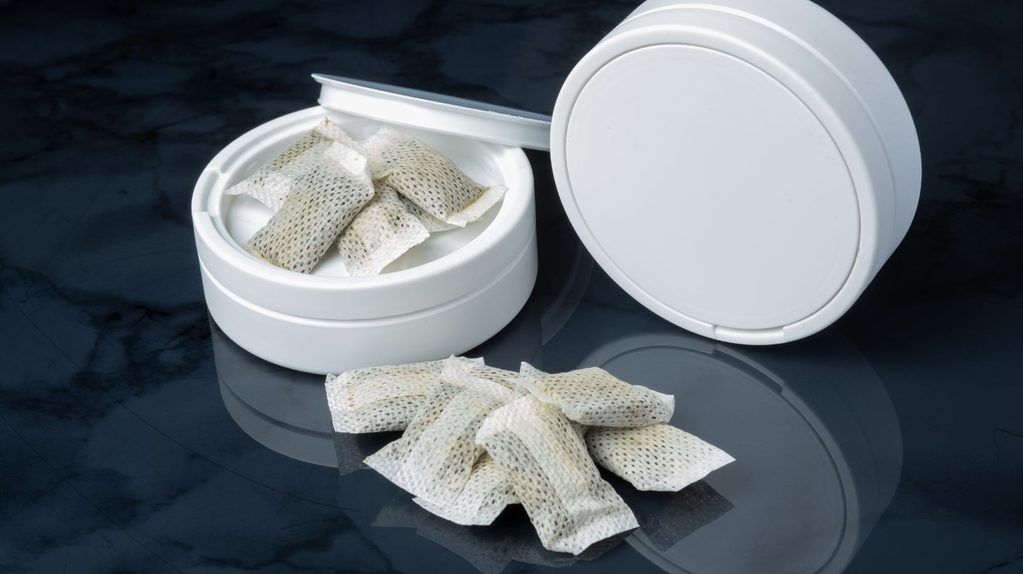
Nicotine pouches in long sessions
Some adult players lean on simple rituals to stay focused through these marathon
runs. Coffee, energy drinks, and snacks are common. Others reach for nicotine
pouches during slow trash pulls or between wipes. For people who already use
them, options such as GOAT pouches [https://snusbox.eu/collections/goat] sit in
the same mental category as their headset or energy drink of choice, another
small part of their raid routine. Compared with lozenges or gum, pouches are
compact and tidy, which matters when every square centimeter of the desk is
already spoken for.
Managing breaks and pacing
What truly shapes a setup over time is not one insane raid night. It is the
rhythm of all of them. The strongest raiders treat pacing like another mechanic
to master.
1. Scheduled micro breaks. Two minutes every hour to stand up, roll shoulders,
and re-center the chair avoids slow posture creep. It is also the perfect window
to quickly check cable paths, re-align the mouse pad, and wipe away dust before
it affects the next pull.
2. Desk zoning. Separating the desk into clear zones plays a big role device
zone for mouse, keyboard, and controller only, utility zone for drinks and
snacks, and stash zone for extras like spare earbuds, cables, and, for some,
nicotine products from sites like Snusbox [https://snusbox.eu/]. This cuts
accidental spills in the play area and keeps movement predictable when things
get intense.
3. Light and sound balance. Five hours of harsh white light and maxed-out game
audio can make even a high-end setup feel overwhelming. Softer bias lighting
behind the monitor and a slightly lower master volume keep the space feeling
sharp but not exhausting, which indirectly helps players sit straighter and move
more cleanly.
Keeping the setup raid ready
Five hour raid nights expose every weak link in a setup. The mouse pad that is a
little too small. The chair that loses height over the course of an evening. The
headset cable that always seems to snag during the final pull. Players who pay
attention to these small frictions and fold quick resets into their routine end
up with rigs that feel as ready at 3 a.m. as they did at pull one, turning long
sessions into something the setup is built to handle, not just survive.