
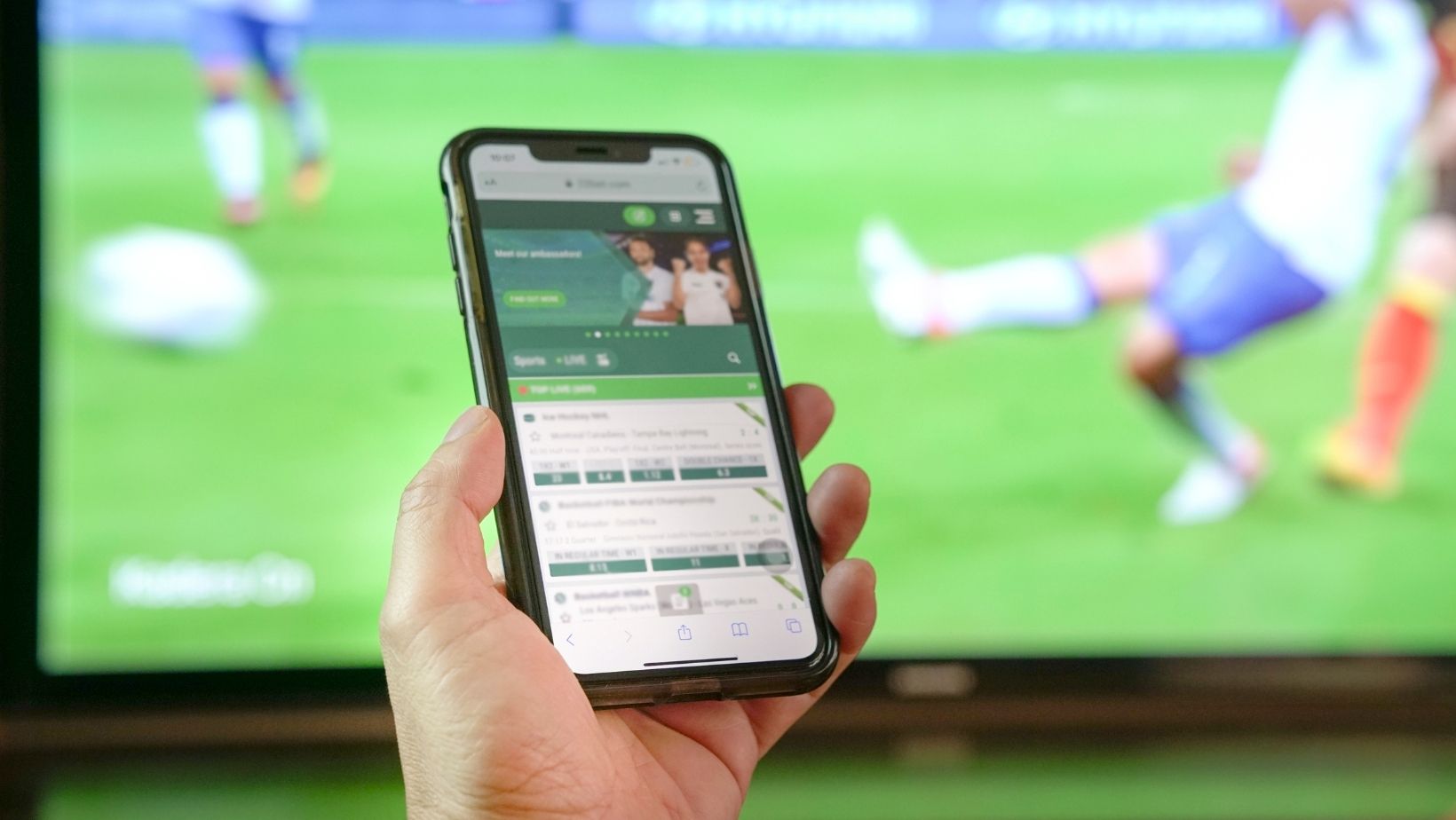
If you’re watching a football match and checking how things shift alongside it, there’s a point where you realise it’s not really about the big moments. It’s the smaller stretches that do most of the work. A few passes in a row, a bit of pressure building, a team starting to look uncomfortable, and something changes before anything obvious happens.
That’s where live football betting starts to feel different, because it isn’t built around waiting for a goal or a final result. It moves with the match while it’s still unfolding. On platforms like betway, that connection mostly comes down to how the tech handles timing, not just picking things up quickly, but keeping everything close enough to the moment that it still feels right.
It Starts Before You See It
Most of what drives those changes begins away from the screen. Inside the stadium, systems are tracking movement constantly, players, ball position, spacing, while at the same time events are being logged as they happen. It’s not one clean stream either, it’s a mix of inputs coming in together, some automated, some handled manually, all feeding into the same flow.
What matters is that nothing really waits. The moment something happens, it’s already being picked up and moved forward.
It Doesn’t Move in Steps
One thing that stands out is how little of this runs in a straight sequence. It doesn’t really happen in clear steps where one thing finishes and the next begins. Everything overlaps a bit, processing, routing, delivery all moving at once, which is what keeps things from slipping behind.
If it paused, even for a second, you’d notice it straight away, not because you’re looking for it, just because it would feel slightly out of step with everything else. That’s why on platforms like betway, especially when you’re following football, everything is built to stay in line with the pace of the game, so football betting updates don’t feel like they’re catching up, they feel like they’re happening with it.
Getting It to You Without Losing the Moment
Once that data is shaped into something usable, it still has to reach you quickly enough to matter. That’s where the setup behind it starts to show, even if you don’t see it directly.
Instead of everything coming from one place, the load is spread out. Data moves through different servers, taking shorter paths so it arrives faster. It’s a small detail, but it’s what keeps things feeling connected rather than delayed.
There’s also a steady flow to how it’s delivered. Updates don’t come in bursts. They just keep coming through, which makes the whole thing feel continuous instead of stop-start..
Keeping It Close, Not Just Fast
Speed on its own doesn’t solve much if everything feels slightly out of step. If something arrives too early, it feels disconnected. Too late, and it’s already behind the moment it’s meant to reflect.
So there’s always a bit of adjustment going on. Some updates move forward quickly, others get held just enough to stay aligned, and the system keeps shifting things around so it stays close without drifting ahead or falling behind.
When It Stops Feeling Like Tech
For the most part, it stays out of the way. You’re focused on the match, and everything else just keeps up quietly in the background.
That’s when it feels right, not just because it’s fast, but because it stays in step with the moment instead of trailing behind it.