Photo editing has changed dramatically in the past few years. What once required technical knowledge, complex menus, and hours of manual adjustments can now begin with a simple written instruction.
Instead of carefully selecting an object, masking its edges, adjusting the background, and correcting the lighting one step at a time, users can increasingly describe the result they want and let AI handle much of the initial work.
This shift is changing how creators, marketers, designers, and everyday users approach visual content. The focus is moving away from knowing every tool inside a photo editor and toward understanding how to communicate a clear creative idea.
That does not mean traditional editing skills are disappearing. They still matter, especially when precision is important. But AI is making visual editing faster, more flexible, and far easier to explore.
Photo Editing Is Becoming More Conversational
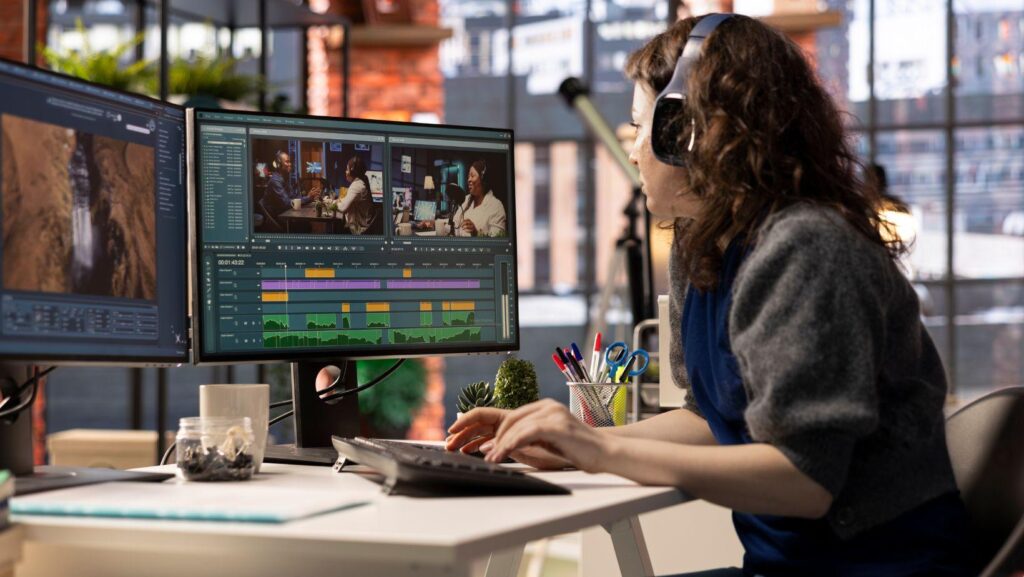
One of the most noticeable changes is the rise of prompt-based editing. Instead of searching through menus for the right adjustment, users can simply explain what they want to change. Imagine a photo of a person sitting at a desk. The image looks good, but there is an unwanted cup in the corner, and the background feels too dark.
A traditional workflow may involve selecting the cup, removing it carefully, repairing the area behind it, and then adjusting the exposure separately.
With AI-assisted editing, the instruction could be much simpler:
“Remove the cup from the desk and brighten the background while keeping the person unchanged.”
The difference is significant. The user is no longer thinking mainly about editing tools. They are thinking about the final result. This makes photo editing more approachable for beginners while also helping experienced creators test ideas more quickly.
Clear Prompts Produce Better Results
AI editing may feel simple, but the quality of the instruction still matters. A vague prompt such as “make this image look better” gives the system too much freedom. The result may look different, but not necessarily better. A stronger prompt explains exactly what should change.
For example: “Replace the plain wall with a soft grey studio background while keeping the person, clothing, pose, and lighting unchanged.”
In many ways, a good prompt works like a short creative brief. It tells the system what needs to change, what should remain consistent, and what kind of visual result is expected. The best prompts are not always long. They are simply clear.
AI Makes Visual Experimentation Easier
One of the biggest advantages of AI-powered editing is the ability to explore different creative directions without rebuilding an image from the beginning.
A creator may want to see how a product looks against several backgrounds. A business might need multiple versions of the same image for a website, social platform, advertisement, or presentation. Traditionally, creating each variation could take a considerable amount of time. AI makes the process more flexible.
Someone exploring modern editing workflows may come across a Nano Banana 2.5 photo editing tool while comparing tools designed around prompt-based image creation and editing. The real value of this type of technology is not simply automation. It is the freedom to test more ideas.
A user can compare different compositions, backgrounds, moods, or visual directions before deciding which version deserves further refinement. That can make the creative process feel less rigid and more experimental.
Reference Images Can Improve Creative Control
Text prompts are useful, but they are not always enough. Sometimes a reference image communicates an idea more clearly than a paragraph of instructions.
A reference can show the desired product shape, visual style, lighting direction, color palette, or overall composition. The user can then explain which parts should remain consistent and which parts should change.
For example, a brand may want to place the same product in several different environments while keeping the product itself visually consistent.
Using the original image as a reference gives the AI more information to work with. However, reference-based editing still requires careful review. Small details can change unexpectedly, especially around logos, lettering, faces, patterns, or complex objects.
Human Review Is Still Essential
AI can produce impressive results quickly, but speed should not replace careful checking. A finished image may look convincing at first glance while still containing subtle problems.
Text on packaging may be incorrect. Reflections may not match the lighting. Background objects can have strange shapes. Clothing details may change between versions. Facial features may also shift slightly during repeated edits.
A stronger workflow is to review each result before moving forward. Look closely at the main subject. Check small details. Compare the edited version with the original. If something has changed unnecessarily, refine the instruction rather than starting from scratch.
AI works best when it becomes part of an editing process rather than a one-click replacement for human judgment.
Traditional Editing Still Has an Important Role
Prompt-based tools are powerful, but they are not ideal for every situation.
Professional retouching, detailed masking, typography, print design, brand-sensitive work, and highly controlled commercial images may still require traditional editing software.
Manual tools provide a level of precision that prompt-based editing may not always match. For that reason, the strongest workflow often combines both methods.
AI can handle early experimentation, remove unwanted elements, generate alternative backgrounds, or help develop visual concepts. Traditional editing tools can then be used for detailed corrections and final polishing.
Creative Judgment Matters More Than Ever
As photo editing becomes easier to access, visual judgment becomes increasingly important. Being able to generate an image is not the same as knowing whether that image works.
Creators still need to understand composition, lighting, balance, color, contrast, and visual hierarchy. They need to know whether an image suits its audience and whether it communicates the intended message.
AI can generate multiple options, but someone still has to decide which one is strongest. That may become one of the most important skills in modern visual editing. The best editor may no longer be the person who knows the largest number of software shortcuts. It may be the person who can identify what an image needs, communicate that clearly, and recognize when the result is ready.
Conclusion
Prompt-based AI is changing photo editing from a highly technical process into something more direct and creative. Users can now describe changes in natural language, test different ideas quickly, and explore visual directions without manually rebuilding every version.
However, the technology works best when it supports human creativity rather than replacing it. AI can speed up editing, reduce repetitive work, and make experimentation easier. The final quality still depends on the person making the decisions. That balance between intelligent tools and human judgment is likely to shape the future of photo editing.