In the modern digital landscape, photography has evolved far beyond simple point-and-shoot mechanics or tedious manual retouching. Today, content creators, casual hobbyists, and professional photographers alike are constantly searching for innovative ways to streamline their creative workflows without sacrificing quality or artistic control. Enter the era of artificial intelligence-driven enhancements, where tools are designed not to replace human creativity, but to amplify it in unprecedented ways. Among the latest breakthroughs capturing the attention of digital artists is an advanced imaging ecosystem that redefines how we approach visual storytelling.
Whether you are correcting lighting flaws, removing distracting background elements, or applying sophisticated color grading, modern software solutions are making complex edits feel effortless. By blending cutting-edge machine learning algorithms with user-friendly interfaces, these platforms empower individuals at every skill level to transform ordinary snapshots into striking visual masterpieces in a fraction of the traditional time. The demand for intuitive, high-speed editing utilities has never been higher, paving the way for next-generation applications that understand context, texture, and light just as well as an experienced human editor would.
Understanding the Core Features and Capabilities
To truly master modern digital enhancement, one must first explore what makes contemporary software stand out from legacy applications of the past. When diving into the Nano Banana 2.5 photo editing tool, users immediately notice a shift away from cluttered menus and overwhelming sliders toward a streamlined, intelligent workspace. This platform utilizes neural networks trained on millions of high-resolution images, allowing it to instantly recognize subjects, horizons, lighting inconsistencies, and compositional imbalances. One of its standout attributes is context-aware object removal, which intelligently fills in missing backgrounds with astonishing precision, leaving behind zero trace of manipulation.
Furthermore, advanced color harmonization features analyze the ambient light of a scene and automatically balance shadows, midtones, and highlights to achieve a professional cinematic grade instantly. Beyond basic adjustments, the utility supports non-destructive layering and smart masking, meaning you can isolate specific parts of your image—such as hair, skin, or clothing—with a single click. This level of granular control ensures that creative freedom remains entirely in the hands of the user, while the heavy computational lifting is handled seamlessly behind the scenes by advanced algorithms.
Step-by-Step Guide to Getting Started
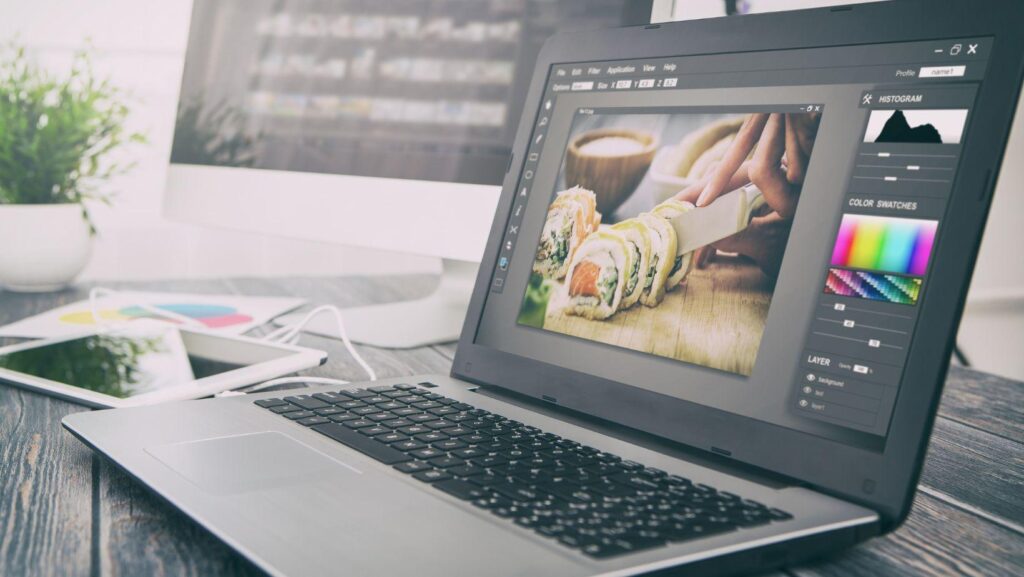
Embarking on your journey with this advanced software is remarkably straightforward, even if you have never touched a professional editing suite before. The first step involves importing your raw or compressed image files into the workspace, where the system immediately performs a rapid diagnostic scan to evaluate exposure, sharpness, and color balance. Once your image is loaded, you can navigate to the automated enhancement panel, which suggests optimized presets tailored specifically to the genre of your photo, whether it is a vibrant landscape, a moody portrait, or a crisp product shot. If you prefer a hands-on approach, you can dive directly into the granular adjustment tools to manually fine-tune parameters like clarity, saturation, and dynamic range.
Next, leverage the smart masking features to isolate your subject and apply targeted enhancements, such as subtle background blurring or enhanced eye sharpness, ensuring your focal point commands immediate attention. Throughout this process, the real-time rendering engine ensures that every adjustment is displayed instantly without lag or stutter. Finally, when you are completely satisfied with your creation, the export manager allows you to choose from various resolution profiles optimized for social media platforms, print media, or digital portfolios.
Advanced Techniques for Professional Results
Once you have mastered the foundational features, you can begin exploring advanced techniques that elevate your visual content from good to truly exceptional. Professional editors often rely on frequency separation and texture smoothing, and this platform automates these complex workflows into easily manageable, slider-controlled adjustments. By separating fine texture details from overall color information, you can polish skin tones or fabric surfaces without destroying the underlying natural grain of the image. Another powerful technique involves utilizing custom neural filters to replicate vintage film stocks, modern cinematic looks, or artistic painterly textures with absolute fidelity.
Creators can also harness batch-processing capabilities to apply complex edit sequences across hundreds of images simultaneously, saving countless hours during large commercial projects or event coverages. Additionally, experimenting with lighting re-illumination tools lets you digitally reposition light sources after the photo has already been captured, adding dramatic shadows or warm highlights to create mood and depth. By combining these sophisticated methods with your own creative vision, you unlock a limitless realm of digital artistry that continually pushes the boundaries of what is possible in photography.
Common Pitfalls to Avoid During Editing
Even with the most intelligent software at your fingertips, it is entirely possible to over-process an image if caution and restraint are not exercised. One of the most frequent mistakes beginners make is over-reliance on aggressive sharpening and heavy-duty contrast filters, which often introduce unsightly halos, digital noise, and unnatural edge artifacts. Another common pitfall is pushing color saturation to extremes, resulting in clipped highlights and skin tones that look entirely unrealistic and oversaturated. To maintain a professional aesthetic, always keep your edits tethered to reality by checking your work at a 100-percent zoom level periodically to spot subtle flaws.
Furthermore, be mindful of overusing background blurring effects, as inconsistent depth-of-field simulation can easily betray the digital nature of the edit and distract viewers from the main subject. It is also wise to save multiple iterations of your project file rather than continuously overwriting your base image, ensuring you can always step back if you feel your editing direction has drifted too far. Developing an eye for subtlety and knowing when to stop tweaking is ultimately the hallmark of a skilled and confident digital artist.
Frequently Asked Questions
What makes this software different from traditional editing programs?
Unlike legacy applications that require manual brushing and complex layer masking for every minute change, this platform leverages advanced neural networks to automate tedious tasks like subject isolation, lighting correction, and object removal while still offering deep manual controls.
Do I need a high-end computer to run these smart editing features?
Most of the heavy computational processing is optimized efficiently, allowing the software to run smoothly on standard consumer laptops and desktop computers without requiring expensive graphics cards or specialized hardware configurations.
Can I use these tools for commercial projects?
Yes, the output generated through the platform is fully optimized for professional workflows, making it suitable for commercial marketing materials, client portfolios, social media branding, and print media publications.
Is it beginner-friendly for someone with no prior design experience?
Absolutely. The interface is intentionally designed with intuitive drag-and-drop workflows, automated preset suggestions, and clear tooltips that guide new users seamlessly through their very first editing sessions.
How does the platform handle image quality during export?
The system utilizes lossless rendering algorithms and custom resolution profiles to ensure your final exported files retain maximum clarity, sharp details, and accurate color representation across all devices.
Final Thoughts
Mastering the art of digital image enhancement no longer requires years of grueling training or an intimate understanding of complex code and dense menus. By embracing intelligent tools designed to streamline workflows and automate repetitive tasks, creators can redirect their energy toward what truly matters: storytelling and artistic expression. Whether you are polishing a portfolio of breathtaking travel photography, curating a cohesive aesthetic for your brand's social media presence, or simply touching up family memories, the right software makes all the difference.
As technology continues to advance at a rapid pace, staying adaptable and curious will ensure you always remain at the forefront of digital creativity. Step forward with confidence, experiment boldly with new techniques, and let your unique visual voice shine through every single frame you edit.