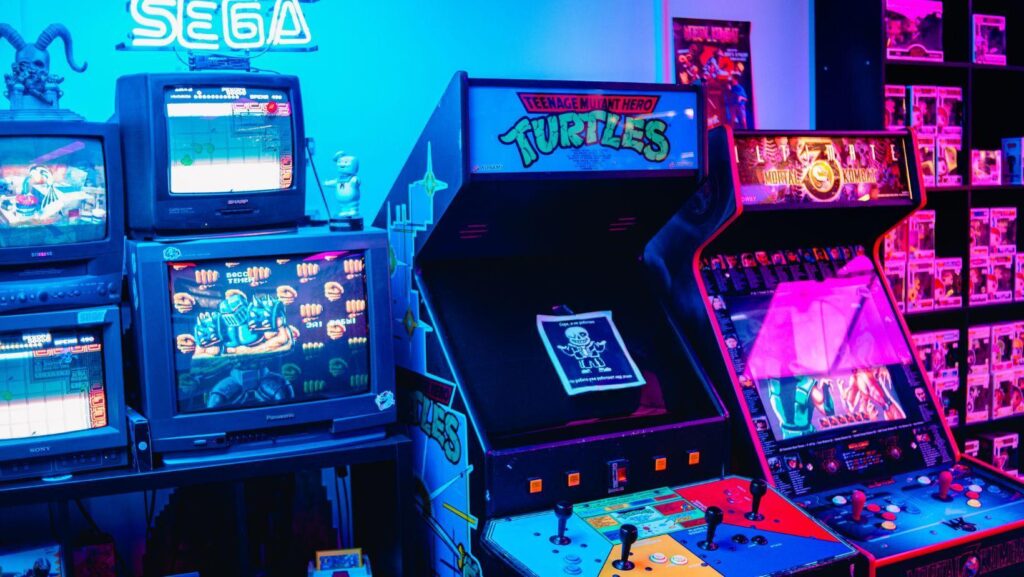
Retro gaming continues to hold a distinctive place in modern gaming culture. Straightforward gameplay, recognisable visual styles and nostalgia all contribute to its lasting appeal, while classic design principles continue to influence new releases. At the same time, wider discussions around digital ownership and game preservation have raised questions about how older titles can remain accessible as hardware, software and distribution methods change. Together, these factors are giving players new reasons to revisit gaming’s past.
What makes retro gaming so enduring?
Many retro games were created with significant technical limitations, meaning developers had to communicate objectives and mechanics clearly. The result was often gameplay that could be understood relatively quickly but still offered increasingly demanding challenges as players progressed.
Distinctive pixel art, memorable sound design and clearly defined levels also helped give older games identities that remain recognisable decades later. Nostalgia can strengthen this appeal, particularly for players returning to titles they remember from earlier periods of gaming.
These characteristics have not disappeared as technology has advanced. Modern games frequently draw on retro-inspired visuals, compact levels and straightforward controls, demonstrating how older design approaches can remain relevant on newer hardware.
The rise of game preservation and digital ownership
Preserving gaming history has become more complicated as distribution has moved increasingly towards digital platforms. Physical games and consoles can deteriorate over time, but digital releases present their own challenges. A title may depend on a particular storefront, server or licence, potentially making long-term access more difficult if that infrastructure changes.
This has contributed to broader debate around digital ownership. When access to a game depends on an online service remaining available, questions arise about what consumers actually own and how today’s releases will be preserved for future audiences.
Game preservation therefore involves more than keeping old hardware operational. Maintaining software, documentation and compatible technology can all contribute to keeping gaming history accessible.
How to experience retro gaming in 2026
Players interested in older games now have several legitimate ways to explore them. Official digital libraries can make classic titles available on contemporary devices, while licensed collections bring multiple older releases together in formats designed for modern hardware.
Subscription libraries and officially supported backwards compatibility can provide further options. Modern recreations of older hardware may also offer compatibility with original software, allowing physical collections to remain usable.
Choosing authorised releases can provide greater reliability while ensuring creators and rights holders have an incentive to continue making older titles available. It can also support preservation by creating demand for classic games to be maintained and adapted for current technology.
Why retro gaming continues to shape the industry
Retro gaming’s influence extends beyond rereleases and remasters. Many of its design principles can be found throughout contemporary entertainment, particularly the emphasis on clear objectives, distinctive visual identities and gameplay that remains engaging without unnecessary complexity.
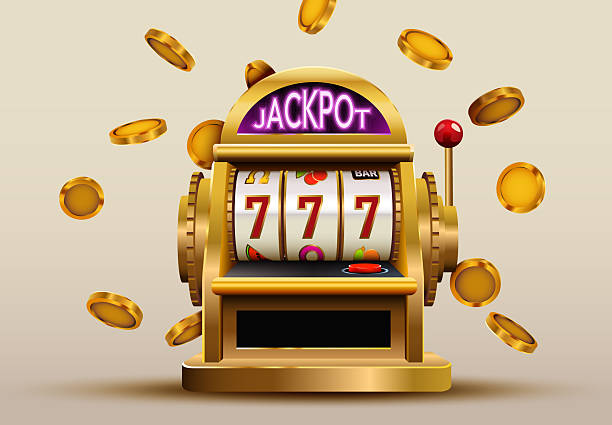
Retro influences also extend across different forms of digital gaming. Some slot games online with retro-inspired themes and visuals draw on familiar design elements associated with earlier periods of digital entertainment, demonstrating how recognisable aesthetics continue to find new applications.
As technology advances, retro gaming provides a useful reminder that technical sophistication is only one part of creating a memorable experience. New hardware may expand what developers can build, but strong ideas, thoughtful design and distinctive creative direction remain just as important.